.svg)
.svg)


.svg)
%201%201.svg)
Transmission Slipping or Shifting Hard? What It Means For Your Heavy-Duty Truck
.svg)

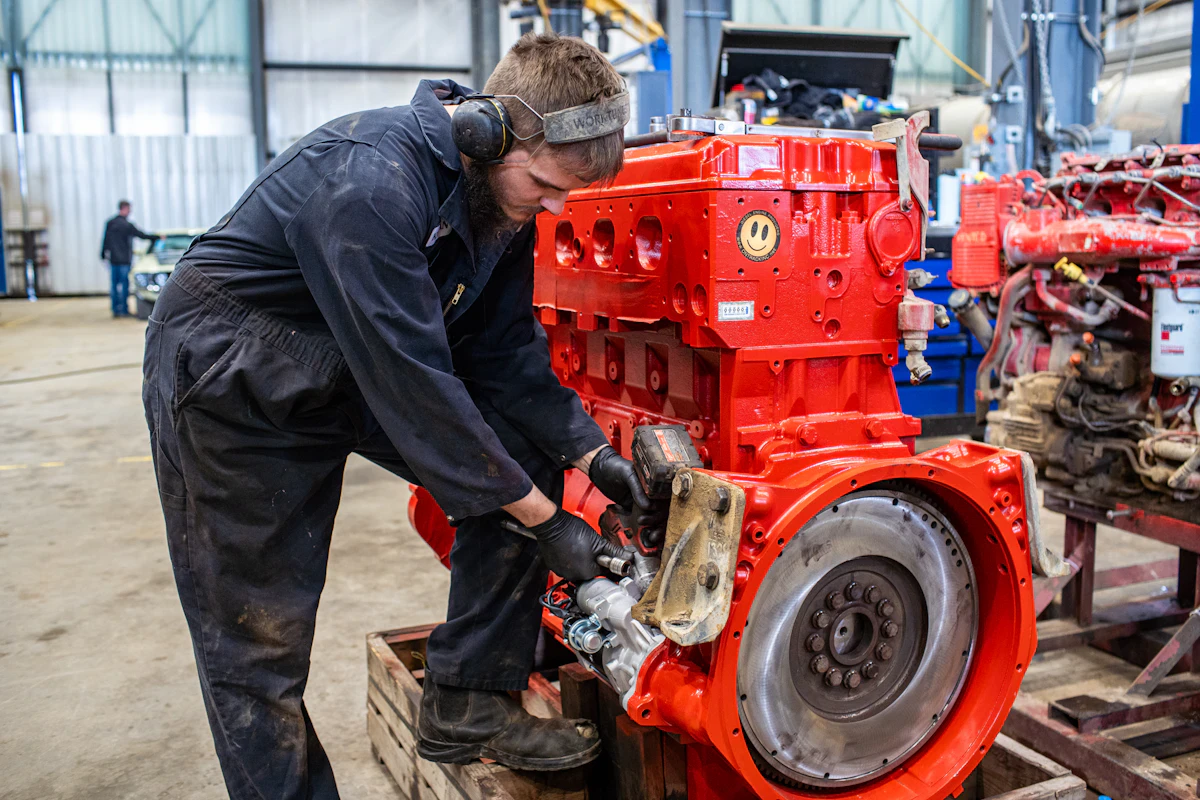
If your truck suddenly starts slipping between gears or shifting harder than usual, it’s more than just an inconvenience. It’s a warning sign. Heavy-duty trucks rely on a properly functioning transmission to transfer engine power efficiently to the drivetrain. When something goes wrong, performance drops fast, and damage can escalate quickly.
For truck owners and fleet operators around Charleston, transmission issues often start subtly before turning into expensive repairs. Understanding the early warning signs is what we do. Starting with what’s happening under the hood. And what all that work can help you act before a minor issue becomes a full-blown breakdown.
Let’s dig into what causes these problems and what diesel technicians look for when diagnosing them.
What Your Diesel Truck’s Transmission Actually Does
Your truck’s transmission sits directly behind the engine and plays a crucial role in managing power. Its job is to convert raw engine output into usable torque and speed through different gear ratios.
Heavy-duty trucks may use:
- Manual transmissions
- Automated manual transmissions (AMTs)
- Automatic transmissions
Each type uses a combination of gears, shafts, control systems, and fluids to regulate power delivery.
When the system works properly, gear changes are smooth and controlled. But when components begin to wear or fluid conditions deteriorate, the shifting process becomes rough—or the truck may even slip out of gear entirely.
Common Signs of Transmission Slipping
Transmission slipping means the transmission fails to stay in the selected gear. Instead, it may shift unexpectedly or lose power while driving.
Here are some of the most common warning signs of transmission slipping in diesel trucks:
Sudden RPM Spikes
You might notice the engine revving higher than normal without a corresponding increase in speed. That’s a classic indicator that the transmission isn’t fully engaging the gear.
Delayed Acceleration
When you press the accelerator, the truck may hesitate before responding. This lag often points to low transmission fluid or worn internal components.
Burning Smell
Overheating transmission fluid can produce a sharp burning smell. This happens when friction builds up inside the transmission due to slipping gears.
Gear Changes That Feel Random
If the truck unexpectedly shifts between gears while cruising or pulling a load, internal wear or control module issues may be causing improper gear selection.
Why Your Transmission Might Be Shifting Hard
Hard shifting—also called harsh shifting—feels like a jolt or clunk when the transmission changes gears. While it can happen occasionally in heavy trucks under load, frequent harsh shifts usually point to a mechanical or fluid-related issue.
Low or Contaminated Transmission Fluid
Transmission fluid serves multiple roles: lubrication, cooling, and hydraulic pressure for gear changes. When fluid levels drop or become contaminated, shifting becomes rough.
Common causes include:
- Fluid leaks
- Overheating
- Delayed maintenance
Worn Gears or Internal Components
Inside your heavy-duty transmission, gears and shafts constantly endure extreme torque loads. Over time, wear and tear can cause smooth engagement to be lost.
This often results in:
- Hard shifts between gears
- Grinding noises
- Reduced efficiency
Clutch or Torque Converter Problems
Depending on your transmission type, the issue may involve:
- A worn clutch system (manual or AMT)
- A failing torque converter (automatic)
Both components help regulate power transfer during gear changes. When they malfunction, shifting becomes abrupt or inconsistent.
Electronic Control Issues
Modern trucks rely heavily on electronic controls. In AMTs and automatics, an onboard ECU (electronic control unit) manages gear changes.
Faulty sensors or software errors can cause:
- Improper shift timing
- Hard gear engagement
- Unexpected gear selection
Overheating: A Major Transmission Killer
Transmission heat is a leading cause of failure in heavy-duty trucks. Excess heat breaks down transmission fluid, reducing its ability to lubricate and cool internal parts.
That’s why many trucks use a transmission cooler, which functions like a small radiator. It dissipates heat from the transmission fluid, keeping temperatures within safe operating limits.
If the cooler fails or airflow becomes restricted, fluid temperatures rise quickly—leading to slipping, harsh shifting, and eventual component damage.
How Driving Conditions Can Affect Your Transmission
The environment where your truck operates matters more than many drivers realize.
Charleston’s conditions can place additional stress on heavy-duty transmissions due to:
Stop-and-Go Traffic
Urban driving forces frequent gear changes, increasing wear on internal components.
Heavy Hauling
Towing or hauling near maximum capacity puts intense strain on transmission gears and shafts.
Heat and Humidity
High temperatures accelerate fluid breakdown and increase the risk of overheating.
For trucks running daily routes or long hauls in coastal South Carolina, routine transmission maintenance becomes even more critical.
Preventing Transmission Problems in Heavy-Duty Trucks
The good news? Many transmission issues are preventable with proper care.
Here are a few maintenance habits that can extend the life of your transmission.
Check Transmission Fluid Regularly
Monitoring fluid levels and condition helps prevent slipping and overheating. Dirty or burnt fluid should be replaced promptly.
Follow Scheduled Fluid Changes
Transmission fluid degrades over time due to heat and friction. Regular fluid service keeps internal components properly lubricated.
Watch Your Load Limits
Exceeding your truck’s hauling capacity places enormous stress on the transmission and drivetrain.
Address Problems Early
If you notice unusual shifting, strange noises, or delayed acceleration, don’t wait. Early diagnosis can prevent a complete transmission failure.
When Transmission Issues Require Professional Diagnostics
While some issues stem from low fluid or minor wear, others require advanced diagnostics.
Professional diesel technicians often inspect:
- Transmission fluid condition
- Internal gear wear
- Torque converter operation
- Electronic control systems
- Transmission cooler performance
Because modern heavy-duty transmissions combine mechanical and electronic components, diagnosing problems without specialized tools can be difficult.
What Techs Want You To Know
Transmission slipping and hard shifting are two warning signs you should never ignore. These issues typically indicate problems with transmission fluid, internal gears, electronic controls, or cooling systems.
The longer these symptoms go unchecked, the more damage they can cause, often leading to expensive repairs or complete transmission failure.
If your truck starts slipping gears or shifting harshly, addressing the problem early can save time, money, and downtime.
If you’re experiencing diesel transmission problems in Charleston, SC, the experienced team at Southeast Fleet Services can help diagnose the issue and get your truck back on the road quickly.